Binoculars

Binoculars at Maplin

What are Binoculars?

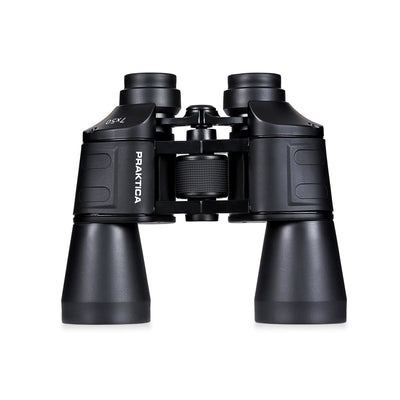
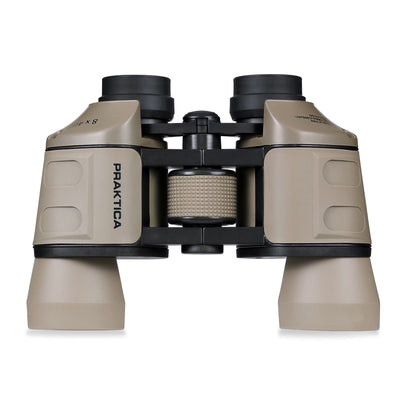
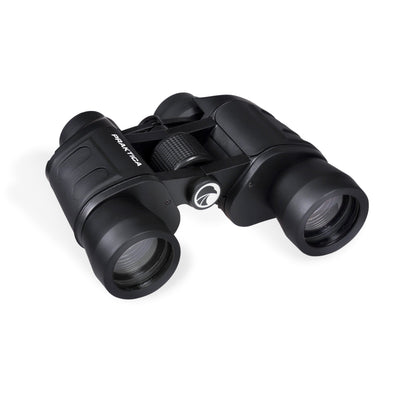
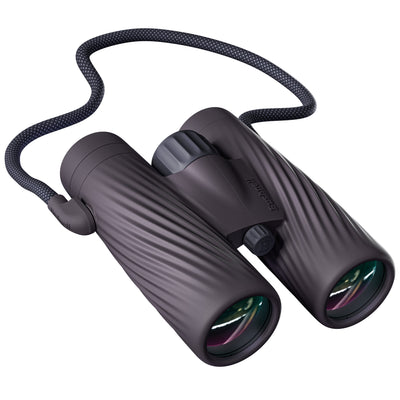
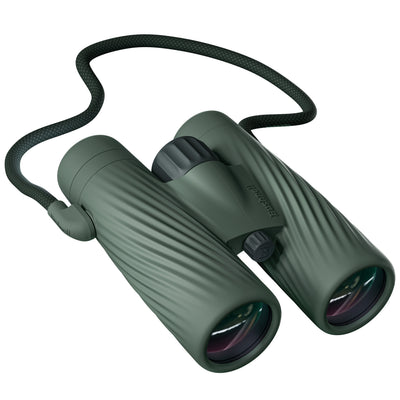
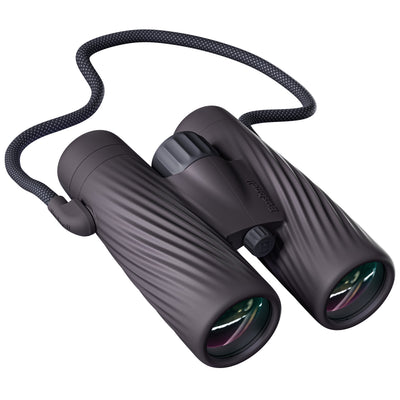
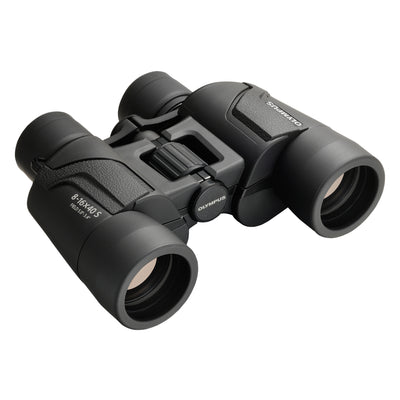
Binoculars are optical devices designed to provide a magnified view of distant objects by using two lenses and a pair of eyepieces. They are commonly used for activities such as birdwatching, hiking, stargazing, sports viewing, and surveillance. Binoculars typically feature adjustable zoom, focus, and interpupillary distance to accommodate various users and viewing needs. They come in different magnifications, with the first number indicating the power of magnification (e.g., 8x or 10x) and the second indicating the diameter of the lens in millimetres, which affects light gathering and image clarity. Lightweight, portable, and easy to use, binoculars are an essential tool for anyone looking to enhance their ability to observe distant subjects clearly.

Expanded Image

Praktica

Olympus

Sale

FAQ

What do the numbers mean on binoculars, such as 7x40?

The numbers on binoculars show two important things: the magnification power and the size of the objective lenses. For example, "7x" means objects appear seven times closer, and "40" is the diameter of the lenses in millimeters. So, "7x40" binoculars make things look seven times closer and have lenses that gather a good amount of light for clear viewing.

What are the benefits of different coatings on binocular lenses?

Different coatings applied to binocular lenses serve various purposes, including reducing glare, improving light transmission, and enhancing image contrast and clarity. Anti-reflective coatings, such as fully multi-coated or multi-coated layers, minimize reflections and glare caused by stray light, resulting in brighter and sharper images, especially in bright or backlit conditions.

Additionally, phase-corrected coatings on prism surfaces help eliminate phase shift and maintain image sharpness and colour fidelity. Other coatings, such as hydrophobic and oleophobic coatings, repel water, oil, and dirt, keeping the lenses clean and free from smudges for clearer viewing in challenging outdoor environments.

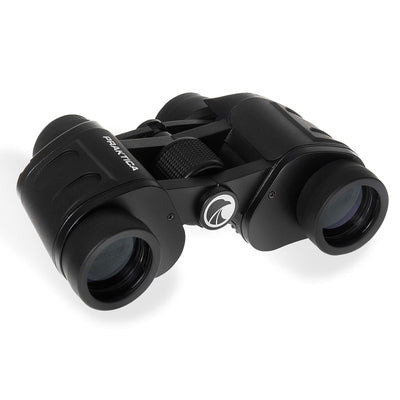
Which binoculars are best for bird watching?

For bird watching, the most widely recommended specification is 8x42 — 8x magnification gives enough reach to see birds clearly without the image shake that comes with higher magnification, while the 42mm objective lens gathers plenty of light for low-light conditions such as dawn chorus sessions or woodland birding.

A wide angle design is particularly useful for bird watching, as it gives you a broader field of view that makes it much easier to locate and track fast-moving birds in flight.

Eye relief — the distance between the eyepiece and your eye — is also worth considering if you wear glasses.

Field binoculars with a porro prism design (recognised by their stepped shape) are a traditional choice for birders, offering excellent depth of field and a wide field of view at an accessible price.

What factors should I consider when choosing binoculars?

When selecting binoculars, consider factors such as magnification, objective lens diameter, field of view, and lens coatings.

Magnification refers to the degree of enlargement provided by the binoculars, while objective lens diameter determines the amount of light-gathering capability and low-light performance. A wider field of view allows for easier tracking of moving subjects and better situational awareness.

Additionally, lens coatings, such as anti-reflective coatings, enhance light transmission and image clarity, especially in bright or challenging lighting conditions.

What are the advantages of binoculars with a wider field of view?

Binoculars with a wider field of view offer several advantages for observing fast-moving subjects, scanning large areas, and enhancing situational awareness. A wider field of view allows users to observe more of the surrounding landscape or scene without having to pan or move the binoculars as frequently. This is particularly useful for birdwatching, wildlife observation, and sports events, where subjects may move quickly or unpredictably.

Additionally, a wider field of view provides better context and spatial awareness, making it easier to locate and track subjects within the viewing area. Overall, binoculars with a wider field of view offer greater versatility and usability for a wide range of outdoor activities and applications.

What is the difference between compact and full-size binoculars?

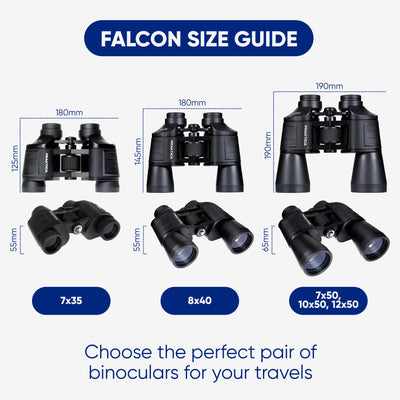
Compact binoculars typically have an objective lens of 25mm or smaller, making them significantly lighter and easier to carry — ideal for travel, concerts, theatre, and casual outdoor use.

Full-size binoculars have larger objective lenses (40mm and above), which gather more light and deliver brighter, sharper images, particularly in low-light conditions. The trade-off is size and weight: full-size models are better suited to extended use in the field, while compact models sacrifice some image brightness in exchange for portability.

For birdwatching and wildlife observation where image quality matters, full-size binoculars are generally the preferred choice — but for occasional use or travel, a compact pair offers a practical balance.