Disposable Cameras

Disposable Cameras at Maplin

What is a Disposable Camera?

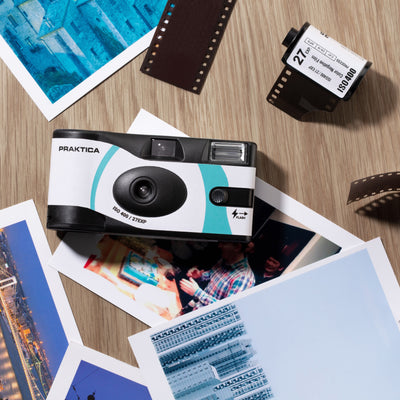
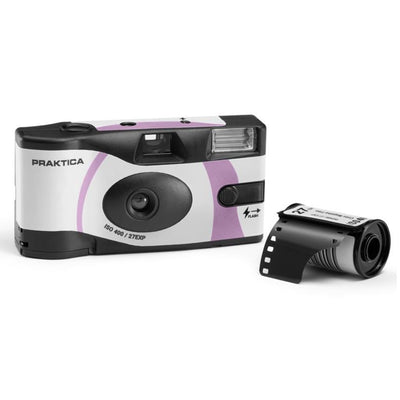
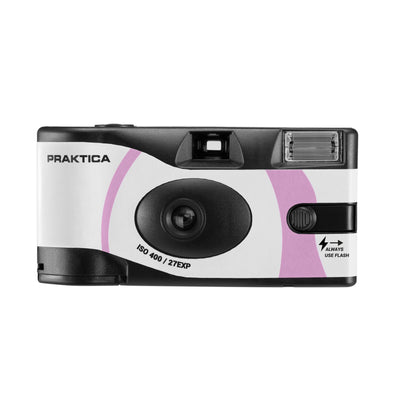
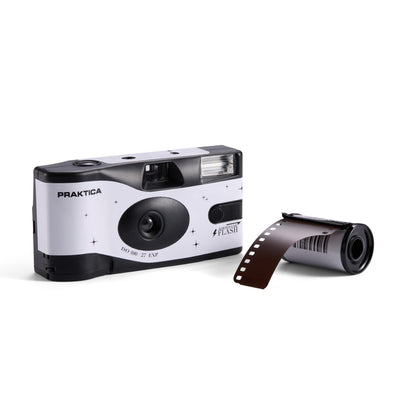
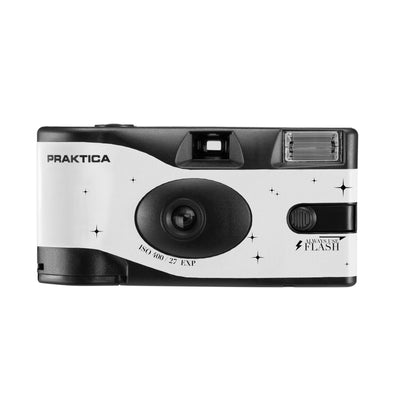
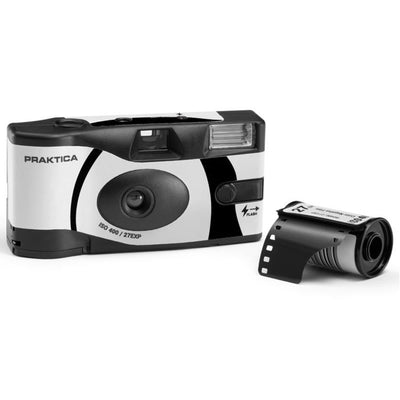
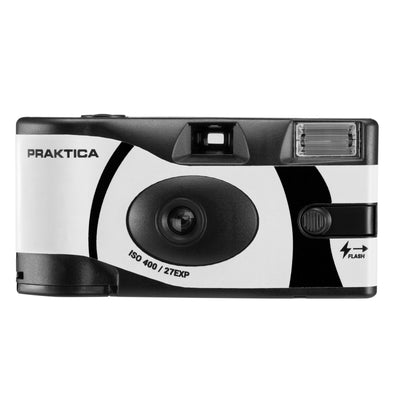
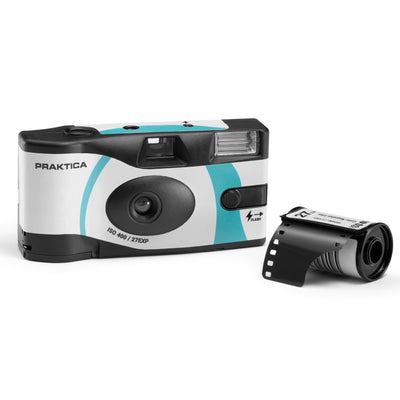
Disposable cameras are single-use cameras that are pre-loaded with 35mm film and designed for one-time use. They are compact, easy to use, and often come with a built-in flash, making them perfect for capturing spontaneous moments or events without the need for technical expertise. Once the film is used up, the entire camera is returned for development at a photo lab. Disposable cameras are popular for weddingsholidays, or parties, where guests can snap photos without worrying about expensive equipment. They offer a nostalgic, analogue experience, often producing grainy, retro-style images with a unique charm that digital cameras can't replicate. Our Praktica single-use cameras are available in colour and black & white — and in bulk packs for events and weddings.

Expanded Image

Praktica Colour Film

Praktica Black & White Film

FAQ

What are disposable cameras, and how do they work?

Disposable cameras are single-use film cameras designed for one-time use, typically containing pre-loaded film and a fixed lens. Users simply point and shoot to capture photos, and once all the exposures are used, the entire camera is returned for film processing. Disposable cameras are convenient, affordable, and easy to use, making them popular for special events, vacations, and everyday snapshots. After processing, the images are printed on photo paper, providing physical copies of the captured memories.

Can I get digital copies of photos taken with disposable cameras?

Yes. When you take your disposable camera to be developed, most labs — including Boots, Snappy Snaps, and independent film processors — offer digital scans alongside physical prints. Ask for scans to be provided via download link, email, or USB when you drop off your camera. Many online film processing services (where you post your camera to a lab) also include high-resolution scans as standard. The quality of scans varies between labs, so if you're planning to print large or edit the images, it's worth choosing a lab that specifies high-res scanning.

How much does it cost to develop a disposable camera in the UK?

Development typically costs between £12 and £20 at a UK high-street lab, depending on whether you include prints and digital scans. Development-only (no prints) is usually cheaper at around £8–£12. Most Boots photo labs and Snappy Snaps branches offer same-day or next-day development. If you're not in a rush, postal film processing services often offer better value and higher-quality scans — turnaround is usually 5–10 working days. Prices vary, so it's worth comparing a few services before sending off your film.

What are the benefits of using disposable cameras?

Disposable cameras strip photography back to its essentials: point, shoot, and wait. There are no settings to adjust, no battery to charge overnight, and no screen to agonise over. The film process also means every shot counts — which often leads to more considered, natural photos than you'd get snapping away on a phone. The analogue aesthetic — soft grain, natural colour rendition, and unpredictable light leaks — is a big part of the appeal for many people. And at events like weddings and festivals, there's something to be said for handing over a disposable rather than an expensive camera you'd rather not lose.

Are disposable cameras environmentally friendly?

Disposable cameras have a mixed environmental impact, as they generate plastic waste from the camera bodies and packaging. However, disposable cameras also promote film photography, which uses fewer resources compared to digital photography in terms of energy consumption and electronic waste. Additionally, many disposable camera manufacturers and photo labs offer film recycling programs, where the plastic camera bodies are recycled, and the film negatives are processed and reused. While disposable cameras may not be entirely eco-friendly, responsible disposal and recycling practices can help mitigate their environmental impact.

How long will a disposable camera last before the film expires?

Most disposable cameras have a film expiry date of one to two years from the date of manufacture — you'll find it printed on the packaging. It's best to use the camera before that date for the truest colours and sharpest results. That said, expired film doesn't stop working; it typically produces a softer, more washed-out look with increased grain — which some photographers actively seek out. To maximise shelf life, store unused cameras somewhere cool and dry, away from direct sunlight, and avoid leaving them in a hot car or on a sunny windowsill, as heat accelerates film degradation.