USB-C Hubs

USB-C Hubs at Maplin

What is a USB-C Hub?

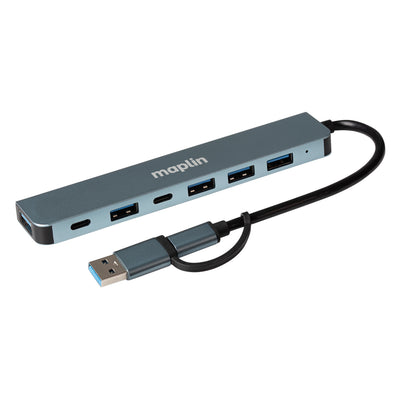
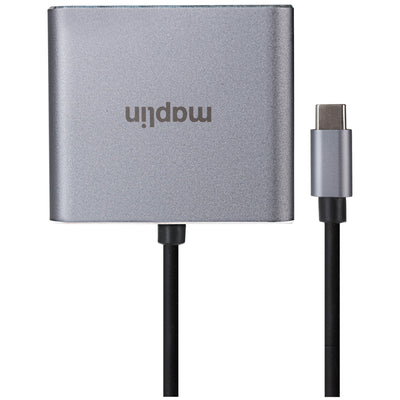
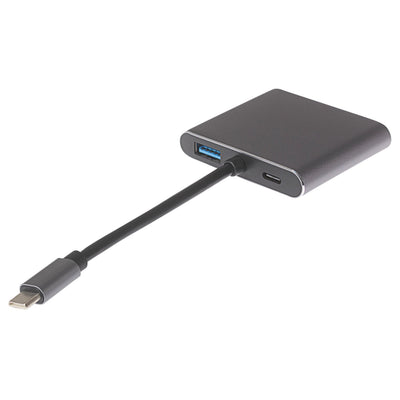
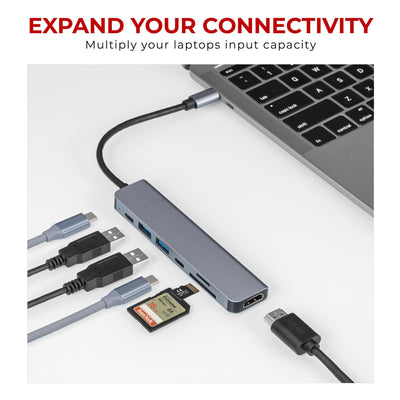
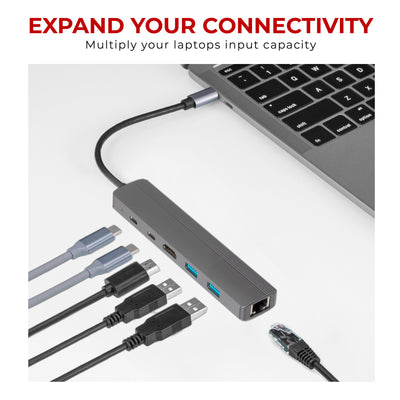
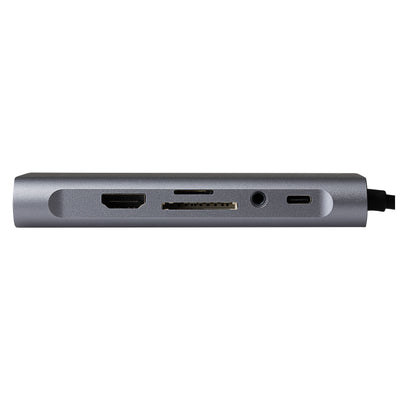
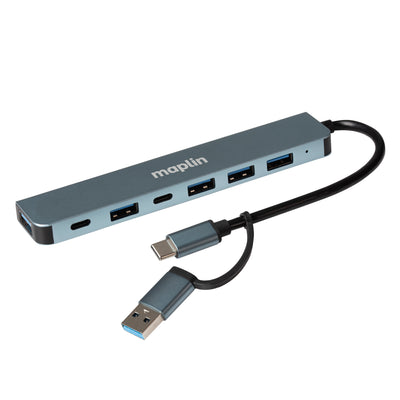
USB-C hubs — also called USB-C multiport adapters, or docking stations — expand a single USB-C port into a versatile connection hub for your laptop or desktop. A single USB-C connection gives you simultaneous access to USB-A ports, HDMI displays, Gigabit Ethernet, SD card readers, and USB-C pass-through charging, making one cable the only connection your laptop needs at your desk.

Our Maplin and Nikkai USB-C hubs range from compact 4-port travel adapters to full 12-in-1 docking stations. Models with Power Delivery (PD) pass-through — available up to 100W — let you charge your laptop at full speed while using all other ports simultaneously, so you're never choosing between charging and connectivity.

Whether you need to connect an external monitor via 4K HDMI, run a wired connection via Gigabit Ethernet, or read SD and microSD cards from a camera or drone, there's a hub in our range to match. Use the filters to narrow by port type, and check the product page for compatibility with your specific device before purchasing.

Expanded Image

Connect Devices

Connect multiple peripherals using USB-A and USB-C ports

Connect Monitors

Create a multi-monitor setup with HDMI, VGA and DVI connectivity

Connect To The Internet

Access the internet with a wired Ethernet connection

FAQ

What is a USB-C hub, and what does it do?

A USB-C hub is a device that expands the capabilities of a computer or laptop by providing additional ports and connectivity options through a single USB-C connection. It typically features various ports such as USB-A, HDMI, Ethernet, SD card slots, and more, allowing users to connect multiple peripherals, displays, and accessories to their device simultaneously.

What are the benefits of using a USB-C hub?

The main benefits of using a USB-C hub include:

  1. Expanded connectivity options
  2. Streamlined cable management
  3. Connecting multiple peripherals and accessories to your device with a single cable, eliminating the need for multiple adapters or dongles
  4. Extending the functionality of your device by connecting external displays, storage devices, networking equipment, and more.
Are USB-C hubs worth it?

If your PC or laptop has limited ports — or just one or two USB-C ports — a hub is one of the most practical accessories you can add. It means a single cable connects your laptop to your monitor, keyboard, mouse, wired internet, and power supply all at once. For home working, hot-desking, or travelling with a MacBook or slim Windows laptop, it transforms any desk into a fully connected workstation in seconds. Even a basic 4-port hub at under £10 earns its place quickly if you regularly find yourself running out of ports.

What devices are compatible with USB-C hubs?

Most modern laptops with a USB-C port are compatible — including MacBooks (2016 onwards), Windows laptops, Chromebooks, and many Android tablets. The key requirement is that your device's USB-C port supports data transfer, not just charging. Most do, but some budget laptops have charge-only USB-C ports; check your device's manual if you're unsure. All of our USB-C hubs are plug-and-play and don't require additional drivers to install.

How do I choose the right USB-C hub for my needs?

Start with what you actually need to connect. If you just need USB-A ports for a mouse, keyboard, or USB stick, a compact 4-port hub will do the job. If you want to drive an external monitor, look for a hub with HDMI output — ideally 4K@30Hz or 4K@60Hz. For a full desk setup — monitor, wired internet, peripherals, and laptop charging all at once — look for a hub with HDMI, Gigabit Ethernet, USB-A ports, and Power Delivery (PD) pass-through charging. Check that the PD wattage matches your laptop's requirement; most need between 45W and 100W for full-speed charging.

Why are some USB-C hubs more expensive than others?

Prices range from under £10 for a basic USB-A hub to £40+ for a multi-port docking station — and the difference reflects the hardware inside. A hub that outputs 4K video to two monitors simultaneously, provides Gigabit Ethernet, and charges your laptop at 100W requires significantly more complex circuitry than one that simply adds USB-A ports. Branded hubs from well-known manufacturers carry a premium for reliability and broader device compatibility, but own-brand alternatives at a lower price point cover the everyday use cases for most users just as well.