Dash Cams

Dash Cams at Maplin

What is a Dash Cam?

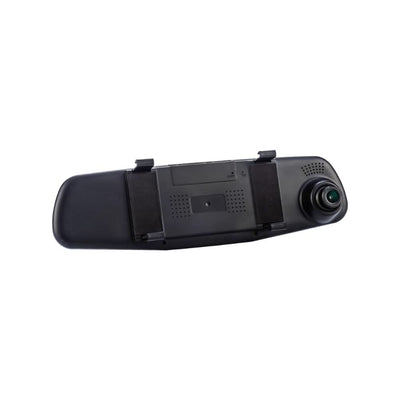
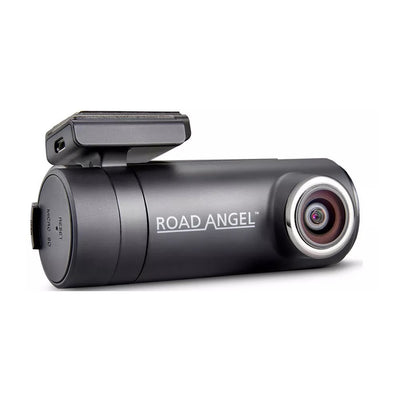
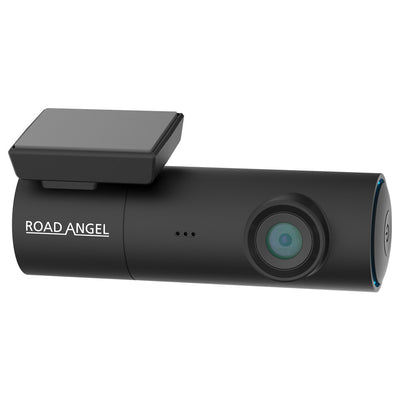
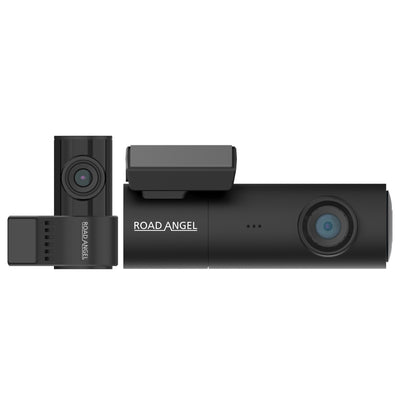
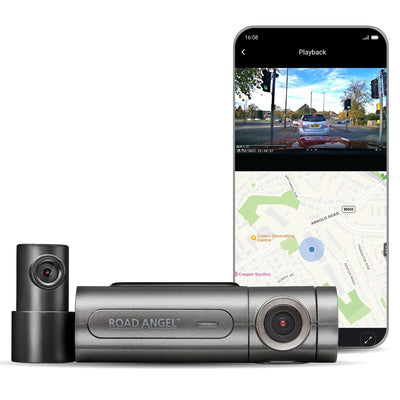
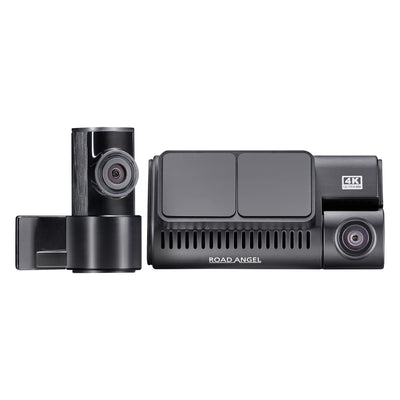
A dash cam continuously records the road while you drive, providing footage that can be decisive in insurance claims, accident disputes, and fraud protection. Resolution is the key spec to consider: 1080p Full HD suits everyday use, 1440p and 2K deliver sharper number plate capture at higher speeds, and 4K is ideal where maximum detail matters. Dual-channel models add a rear-facing camera to cover tailgating and rear-end collisions — the most common blind spot for front-only cameras. Parking mode extends protection when the engine is off, but requires a hardwire kit connecting the camera to your vehicle's fuse box. Note that all dash cams require a high-endurance microSD card to store footage.

Expanded Image

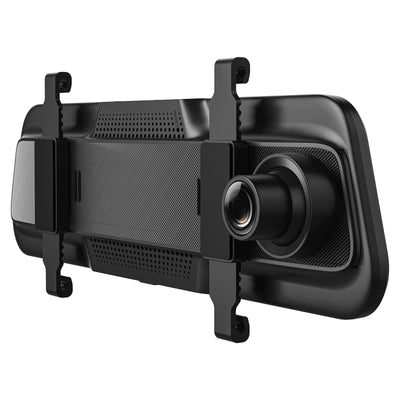
Front-Facing

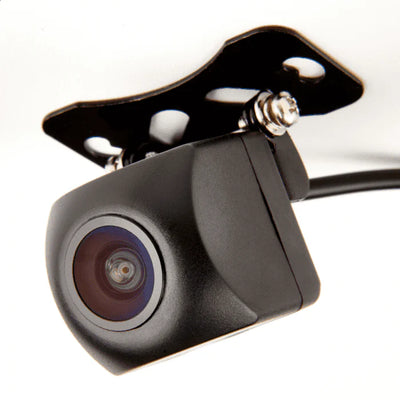
Rear-Facing

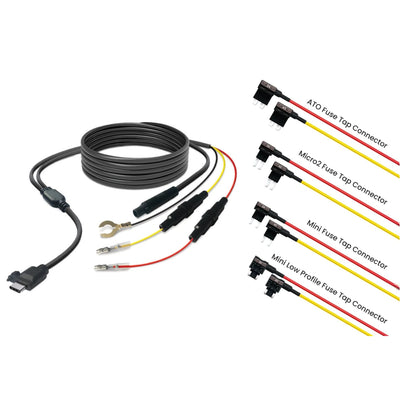
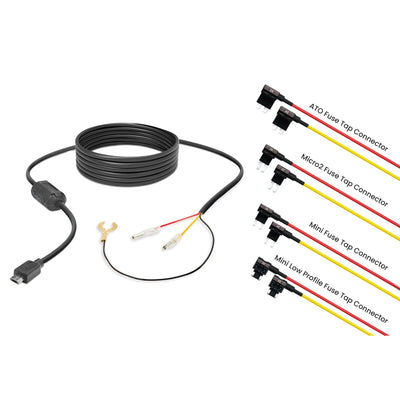
Hardwire Kits

FAQ

Do I need a dash cam?

A dash cam provides impartial video evidence in the event of an accident, protecting you against fraudulent claims and speeding up insurance disputes. Many insurers now offer discounts for drivers who use one. Footage can also support a police report if you witness an incident or experience road rage. While not a legal requirement, a dash cam is one of the most practical investments you can make as a driver.

What resolution should I look for in a dash cam?

For reliable number plate capture and clear footage, we recommend a minimum of 1080p Full HD. If you want sharper detail — particularly useful at higher speeds — step up to 1440p or 2K. Our 4K models, such as the Road Angel Halo Ultra and Halo Vision 3, deliver the clearest footage for number plate identification at distance, though file sizes are larger. For most drivers, 1440p offers the best balance of quality and storage efficiency.

Do I need a memory card for a dash cam?

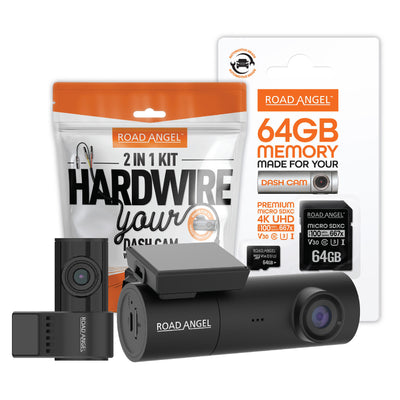
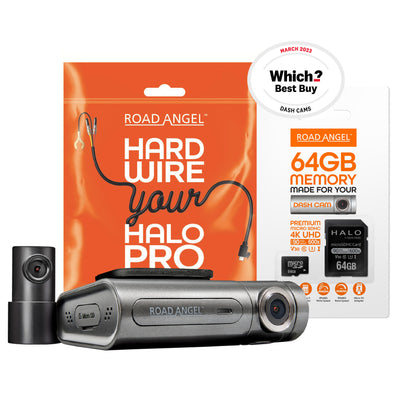
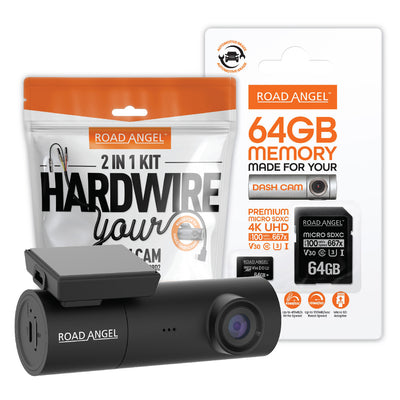
Yes, dash cams record onto a microSD card, which is not always included with the camera. You'll need a high-endurance card rated for continuous write cycles, as standard cards can fail quickly in this use. We recommend a minimum of 32GB, though 64GB gives a larger buffer before older footage is overwritten. Our Road Angel Deluxe bundle models include a 64GB SD card in the box, so you can get started straight away.

What's the difference between a front and front & rear dash cam?

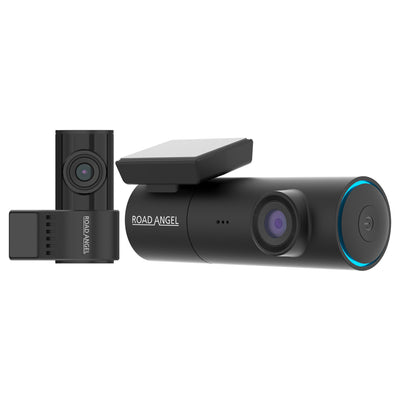
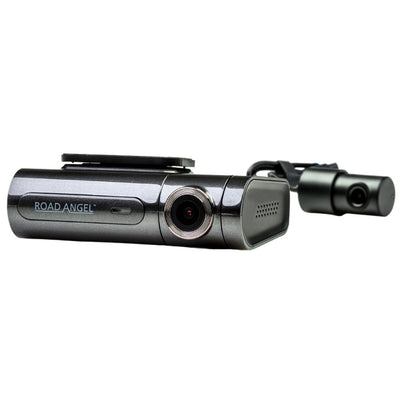
A front-only dash cam records what happens ahead of your vehicle — the most common scenario in accidents and insurance claims. A front & rear (dual-channel) dash cam adds a second camera pointing out of the rear window, capturing tailgating, rear-end collisions, and incidents behind you when stationary. If you want the most complete coverage, a dual-channel model is the better choice. Most of our Road Angel models are available in both single and dual-channel variants.

Does a dash cam record when the car is parked?

Most dash cams support a parking mode that records (or monitors for movement and impact) when the engine is off — but this requires a constant power source. To enable parking mode, you'll need a hardwire kit, which connects the camera directly to your vehicle's fuse box. Several of our Road Angel Deluxe bundle models include both a 64GB SD card and a hardwire kit in the box, making them the best value option if parking protection is important to you.

Are dash cams legal in the UK?

Yes, dash cams are completely legal in the UK and footage is regularly used in insurance claims and court proceedings. Just ensure the camera is mounted so it doesn't obstruct your view through the windscreen. If you plan to share footage publicly online, it's good practice to blur number plates beforehand.