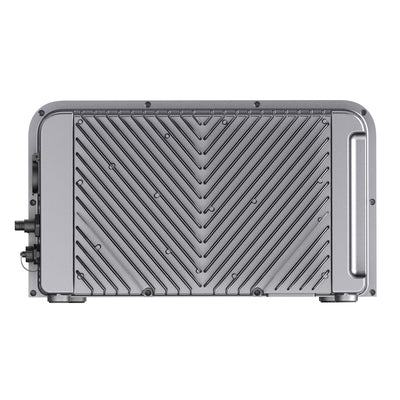
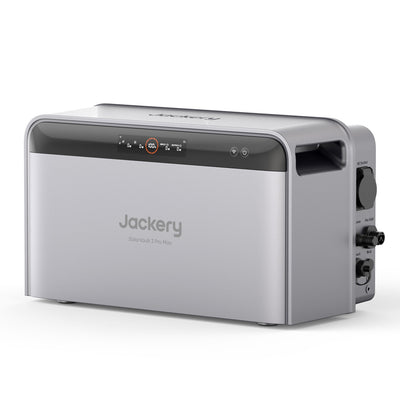
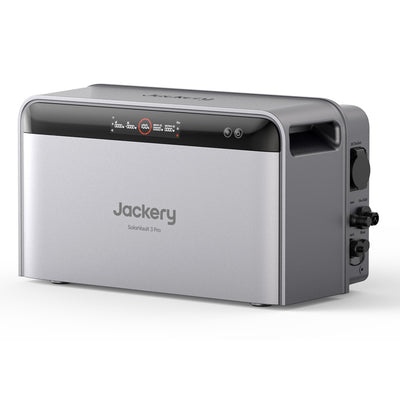
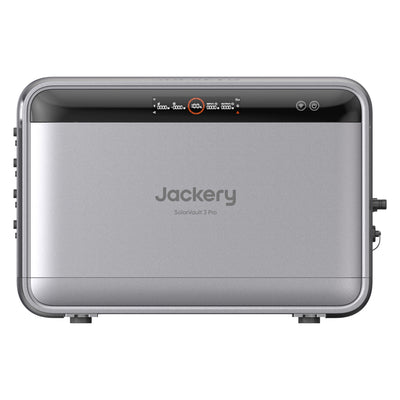
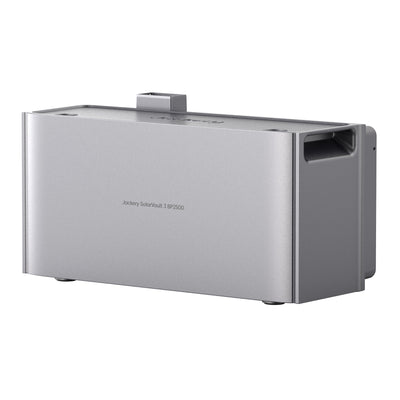
What is a Solar Battery?
Good news for solar fans: from 27 August 2026, small plug-in solar panel kits (up to 800W) can simply plug into a normal wall socket — no electrician needed, as long as the kit is on the approved list.
If you're also after a solar battery, though, the rules work a little differently. Batteries — including any all-in-one solar-and-battery kit — still need to be professionally hardwired by a qualified electrician (look for NICEIC, NAPIT, or ELECSA registration).
It's a safety thing, not red tape for its own sake: batteries charge and discharge much harder than a simple panel, and your home's sockets just aren't built for that. A proper hardwired setup gives your battery its own dedicated circuit, the right safety protections, and clear shut-off points — so everything stays safe for you and anyone who works on your electrics down the line.
Rules current as of August 2026 — always worth a quick check with your electrician or network operator before you buy.