Microinverters

Microinverters at Maplin

What is a Microinverter?

A microinverter is a small device fitted to each solar panel that converts its DC output into AC, the form used in homes and fed to the grid. A traditional system uses one central string inverter for all the panels. With microinverters, each panel does its own conversion.

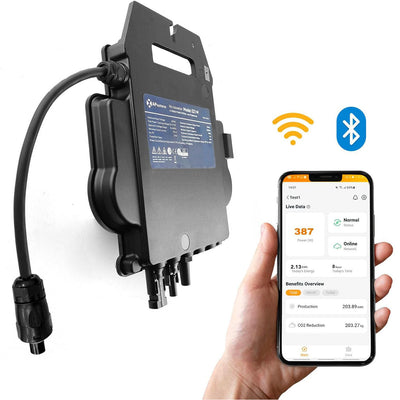
This gives three main benefits. A shaded or underperforming panel doesn’t reduce the output of the others. You can monitor each panel on its own, which makes faults easier to find. And it supports safety features like rapid shutdown, which quickly de-energises the wiring on the roof in an emergency.

Microinverters are common in home installations, especially on roofs that have more than one orientation, partial shade, or a mix of panel types and ages.

Expanded Image

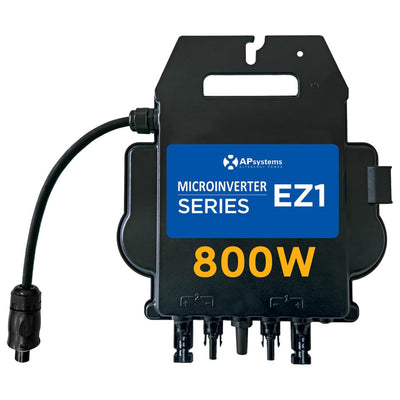
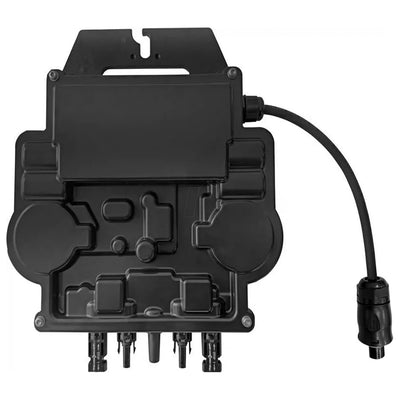
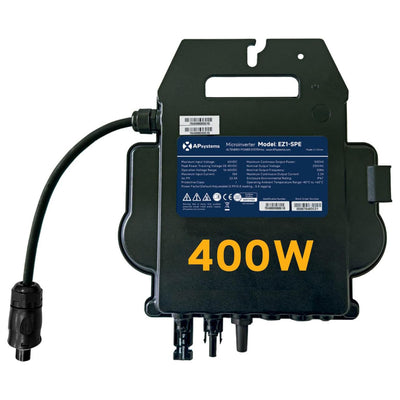
APsystems

Connects 2 solar panels
Each tracked independently

Peak Efficiency 96.7%
Weatherproof IP67
Max Power Per Input 730W
Input Channels 2
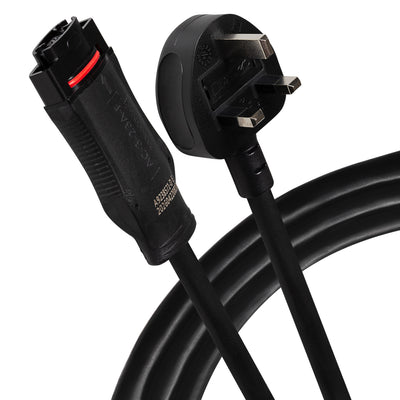
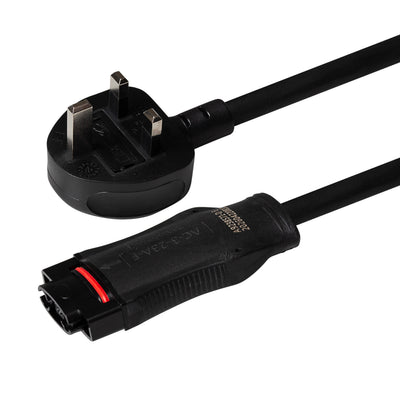
🔌 Needs a Y3 Power Cord to plug in

For APsystems EZ1 microinverters
Fits EZ1-M and EZ1-M-SPE

Length 4m
Cable H07RN-F 2.5mm²
Rating 450/750V
Fuse 5A
Sold out
Connects 1 solar panel
Ideal for balcony, garden or garage

Peak Efficiency 96.7%
Weatherproof IP67
Max Power Per Input 600W
Input Channels 1

🔌 Needs a Y3 Power Cord to plug in

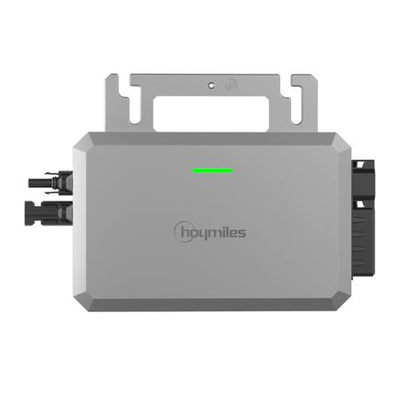
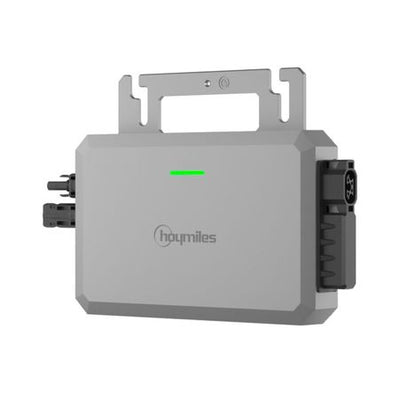
Hoymiles

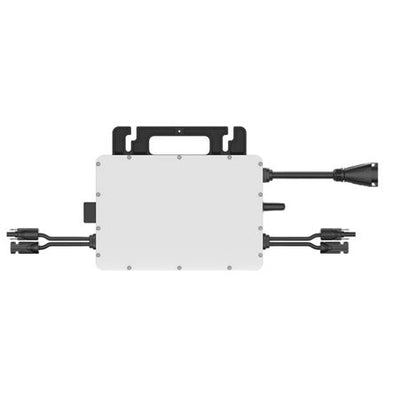
Connects 2 solar panels
Best when both face the same way

Peak Efficiency 97.0%
Weatherproof IP67
Max Power Per Input 520W
Input Channels 1
Connects 2 solar panels
Each tracked independently

Peak Efficiency 96.7%
Weatherproof IP67
Max Power Per Input 540W
Input Channels 2

FAQ

What is a microinverter?


A microinverter is a small device attached to a single solar panel that converts that panel's DC output into grid-compatible AC electricity on the spot, rather than sending DC power to one central inverter for the whole array.

Can I monitor individual panels with microinverters?


Yes, that's one of their key advantages. Most systems pair with an app or web dashboard that shows real-time and historical output at the panel level, making it easy to spot an underperforming or faulty panel quickly.

How is a microinverter different from a string inverter?


A string inverter connects a whole series of panels together and converts their combined DC output in one central unit. Microinverters work panel-by-panel, so each one converts independently. This means shading, dirt, or a fault on one panel only affects that panel's output, not the entire string.

Are microinverters hard to install or replace?


Installation involves attaching a unit to each panel rather than wiring one central inverter, so it can take a bit more time upfront. Replacement is generally straightforward since a technician only needs to access the single affected panel rather than troubleshoot a whole string.