A microinverter is a small device fitted to each solar panel that converts its DC output into AC, the form used in homes and fed to the grid. A traditional system uses one central string inverter for all the panels. With microinverters, each panel does its own conversion.
This gives three main benefits. A shaded or underperforming panel doesn’t reduce the output of the others. You can monitor each panel on its own, which makes faults easier to find. And it supports safety features like rapid shutdown, which quickly de-energises the wiring on the roof in an emergency.
Microinverters are common in home installations, especially on roofs that have more than one orientation, partial shade, or a mix of panel types and ages.
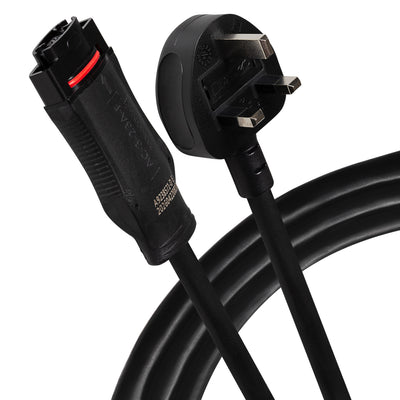
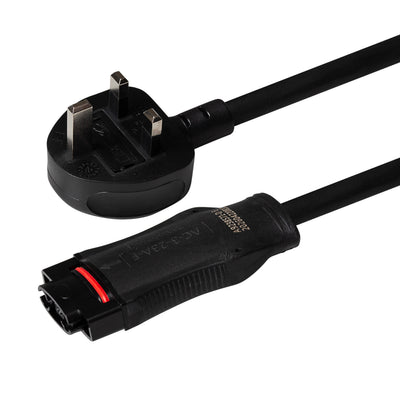
APsystems 4m single-phase mains lead for compatible equipment2.5mm² heavy-duty H07RN-F rubber cable construction450/750V rated for demanding electrical applicationsPre-fitted APsystems connector to UK 3 Pin PlugGenuine APsystems accessory
For APsystems EZ1 microinverters
Fits EZ1-M and EZ1-M-SPE
Length4m
CableH07RN-F 2.5mm²
Rating450/750V
Fuse5A
FAQ
What is a microinverter?
A microinverter is a small device attached to a single solar panel that converts that panel's DC output into grid-compatible AC electricity on the spot, rather than sending DC power to one central inverter for the whole array.
Can I monitor individual panels with microinverters?
Yes, that's one of their key advantages. Most systems pair with an app or web dashboard that shows real-time and historical output at the panel level, making it easy to spot an underperforming or faulty panel quickly.
How is a microinverter different from a string inverter?
A string inverter connects a whole series of panels together and converts their combined DC output in one central unit. Microinverters work panel-by-panel, so each one converts independently. This means shading, dirt, or a fault on one panel only affects that panel's output, not the entire string.
Are microinverters hard to install or replace?
Installation involves attaching a unit to each panel rather than wiring one central inverter, so it can take a bit more time upfront. Replacement is generally straightforward since a technician only needs to access the single affected panel rather than troubleshoot a whole string.
UK Trusted Brand
Your electronics specialist since 1972
Free UK Shipping
On most items when you spend over £35
Easy Returns
Our returns portal makes things quick & easy
Support
Our friendly support team is here to help
Choosing a selection results in a full page refresh.