What is a Smart Home Hub?
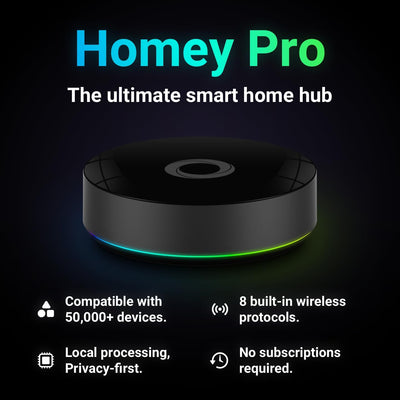
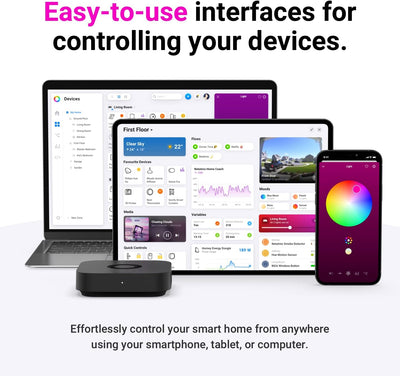
A smart home hub is the central controller that lets your connected devices (lights, plugs, thermostats, door locks, sensors, cameras) talk to each other and to you. Without a hub, each gadget usually needs its own app and works on its own. With one, you get a single place to control everything and set up automations, such as lights that come on when a motion sensor is triggered or heating that turns down when everyone leaves home.
Hubs matter because smart devices don't all use the same wireless technology. Some connect over Wi-Fi or Bluetooth. Many use low-power protocols built for the home, like Zigbee, Z-Wave or Thread, which go easy on batteries and form a "mesh" so signals can hop between devices and reach further. A hub acts as a translator between these protocols and your home network. Matter, the newer industry standard, aims to make devices from different brands work together more easily, and many hubs and smart speakers now act as Matter controllers.